
Tree roots in sewer pipes can be a real headache for Central Coast homeowners! This problem is especially common for those with established gardens, older homes or properties on leafy streets.
At first, the signs can seem small. A slow drain, a gurgling toilet, the odd blockage. No big deal, right? But if roots are growing inside your sewer line, the problem can get much, much worse over time!
The good news is that you do have options. With the right inspection and repair approach, a local Central Coast plumber can find the cause, clear the blockage, and help prevent the same issue from recurring. So here are the warning signs to look for and what to do about them!
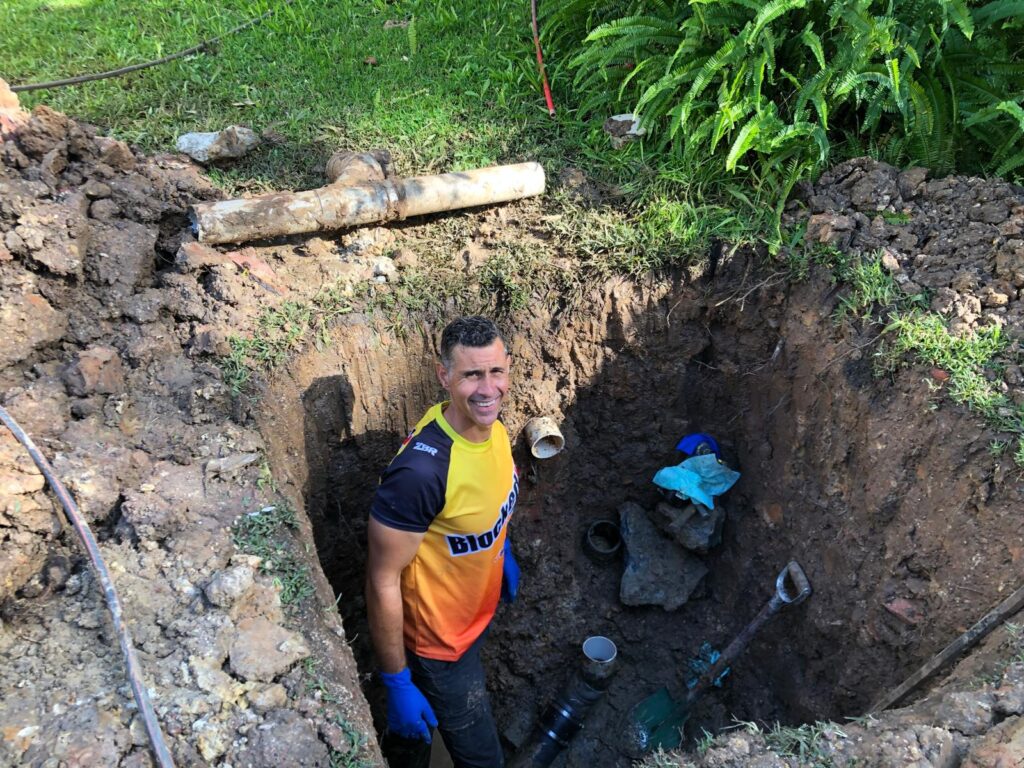
What Problems Do Tree Roots Cause?
Tree roots are naturally drawn to moisture, which makes your sewer pipes an easy target! On the Central Coast, many older homes still have ageing pipes, cracked joints or small gaps where moisture can escape into the surrounding soil. Once nearby roots sense that water source, they work their way into the pipe and keep growing.
Over time, tree roots can cause a whole host of pesky problems, including:
- A build-up of waste inside the sewer line
- Extra pressure on already damaged pipework
- Cracks, joint movement or further pipe damage
- Reduced flow through the sewer system
- Expensive repairs if the issue is left too long
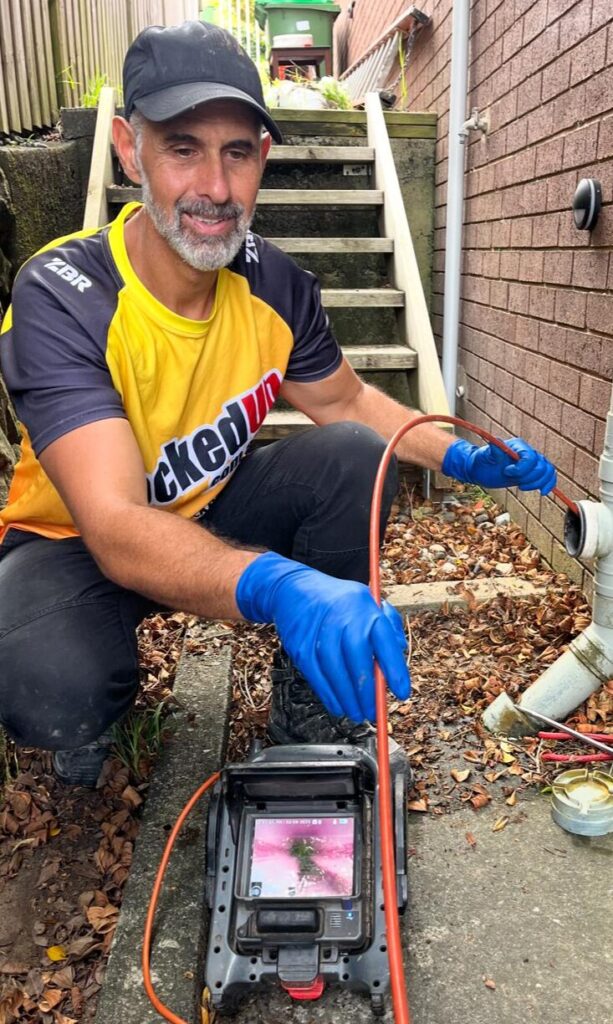
If you want to avoid these annoying issues, you need to know you have tree roots in your sewer pipes before it gets worse. A professional CCTV drain inspection Central Coast service can identify where roots have entered and whether the pipe has cracks, displaced joints or structural damage.
Early Warning Signs You Have Tree Roots in Sewer Pipes
If you want to know if your home has tree roots in the sewer pipes, you need to be alert to the warning signs! Tree root problems often start quietly. At first, it might just seem like one drain is being a bit slow, or the toilet is making an odd sound after flushing. But when roots are growing inside a sewer line, the issue usually gets worse rather than clearing up on its own. For Central Coast homes, especially older properties or homes surrounded by established trees, it is important to pay attention to these early warning signs.
3 Signs You Should Never Ignore!
- Slow drains
If your sinks, showers, baths or floor drains are taking longer than usual to empty, there could be a restriction somewhere in the sewer line. One slow drain might be a local issue, but several slow drains around the home point to a deeper blockage, which could mean tree roots in sewer pipes.
- Gurgling toilets
A gurgling toilet is often a sign that air is being trapped or pushed through the plumbing system. This can happen when roots, waste or debris are affecting the normal flow through the pipe. If your toilet bubbles, gurgles or reacts when another drain is used, it is a sign worth checking out!
- Recurring blockages
If the same drain or toilet in your home keeps getting blocked, even after being cleared, tree roots might be the cause. A quick clean removes the immediate blockage, but it doesn’t always fix the damaged pipe that allowed the roots in. Repeated blockages are a big sign that the sewer line needs a proper inspection!
Check Your Overflow Gully
An overflow relief gully is the grated plumbing fitting normally found outside the home. If a sewer blockage causes wastewater to back up, the gully is designed to release it outside before it rises through an indoor toilet, shower or floor drain.
Homeowners should ensure the gully is not covered by soil, paving, garden beds, pot plants, or other objects. The grate must remain free to lift or overflow when required. If sewage begins escaping from the gully, minimise toilet flushing and water use until the cause has been investigated.
Central Coast Council states that property owners are responsible for maintaining their private sewer pipes and fittings up to and including the connection point. An overflow from a Council maintenance hole or a suspected blockage in the public sewer main should be reported to Council on 02 4306 7900.
What To Do About Tree Roots in Sewer Pipes
If you suspect tree roots are growing into your sewer pipes, the first step is to find out exactly what is happening underground. A Central Coast plumber can use a CCTV drain inspection to send a small camera through the pipe and check for roots, cracks, broken joints, collapsed sections or other damage. This helps avoid guesswork and gives you a clearer idea of the best repair option!
In some cases, high-pressure water jetting is enough to clear the roots and get things flowing again. This can be a good short-term solution if the pipe is still in reasonable condition.
However, clearing the roots is not always the same as fixing the problem properly! If roots have entered through cracks or damaged joints, and those issues aren’t fixed, the tree roots will just grow back. In these cases, pipe relining, excavation or full pipe replacement will be needed to repair the sewer line and reduce the chance of repeat blockages. If established trees are already growing close to the sewer line, a professional arborist can assess the trees and recommend appropriate management before roots or landscaping work cause further problems.
Why Repeated Drain Clearing Costs You More
Repeated drain clearing might seem cheaper at first, but the costs can quickly add up! If tree roots keep entering through damaged pipework, each blockage is only being temporarily cleared. A proper inspection and repair will prevent ongoing call-outs, water damage, stress, and more expensive plumbing problems for you later on.
How To Reduce Tree Roots in Sewer Pipes
While we can’t always prevent tree roots from growing, we can reduce the risk of them entering our sewer pipes! The Central Coast Council advises that, to protect your pipes, you should avoid planting trees, shrubs, or plants with invasive root systems near your sewer lines. It is also a good idea to know where your pipes are before landscaping or planting around the yard!
If you already have large trees near your sewer line, regular Central Coast CCTV drain inspections can help catch small issues before they become major blockages or costly repairs.
Which Trees Pose a Higher Risk to Sewer Pipes?
Not every tree has the same root behaviour. Central Coast Council identifies several species that pose a particularly high risk when planted near sewer infrastructure.
Trees and plants identified as having extreme, very high or high root-damage potential include:
- Camphor laurels, figs, rubber plants, poplars and willows
- Large gum trees, jacarandas, liquidambars and casuarinas
- Norfolk Island and Bunya pines, other pine species and Illawarra flame trees
- Bamboo, privet, magnolias and Canary Island date palms
- Bougainvillea, brush box and wisteria
This does not mean that an established tree must be removed automatically. Roots usually enter through an existing joint, crack or damaged section rather than penetrating a completely sound pipe. Removing a large tree may also require council approval and should be assessed separately from the sewer line’s condition.
For new landscaping, Central Coast Council recommends checking the location of water and wastewater pipes, keeping trees at least three metres from underground services and considering a root barrier where appropriate. Where a mature tree and sewer line are already close together, advice from both a licensed plumber and a qualified arborist can help determine whether pipe repair, root management or another solution is most appropriate.
What Should a CCTV Drain Inspection Reveal?
A useful CCTV drain inspection should show more than the simple fact that roots are present. The camera footage can help identify exactly where the roots are entering, how much of the pipe is affected and whether there is an underlying structural problem.
The plumber should look for:
- Cracks, loose joints or gaps that have allowed roots to enter
- Sections of pipe that have shifted or become misaligned
- Standing water that may indicate poor pipe fall or a partial collapse
- Waste, grease or debris caught around the root mass
- The approximate location and depth of the affected section
- Whether the pipe appears suitable for relining or requires excavation
In some cases, dense roots may initially prevent the camera from seeing the condition of the pipe behind the blockage. The roots may first need to be cleared before the line is inspected again. This second inspection is important because it reveals the defect that allowed the roots to enter and helps determine whether clearing alone is likely to provide a lasting result.
Homeowners can also ask to see the footage and have the location of the damage explained before approving major repair work. This makes it easier to understand why jetting, relining, a targeted excavation or pipe replacement has been recommended. Pipe rehabilitation work typically involves cleaning the line first, then using CCTV to assess its condition before the repair is completed.
Is the Blockage in Your Drain or the Council Sewer?
Before repairs begin, it is important to determine whether the blockage is in the private sewer line serving your property or in the wider council sewer network. This can affect who needs to arrange the work and who may be responsible for the repair costs.
A blockage affecting only one home is more likely to be somewhere within that property’s private drainage system. Warning signs may appear in several fixtures inside the home, but neighbouring properties may continue draining normally.
A problem in the public sewer main may be more likely when:
- Several nearby properties experience drainage problems at the same time
- Sewage is overflowing from a council maintenance hole
- The private sewer line appears clear up to its connection point
- A plumber traces the obstruction beyond the property’s drainage system
These signs are only a guide. A licensed plumber may need to inspect the line and determine the approximate location of the blockage before responsibility can be confirmed.
Property owners are generally responsible for maintaining private wastewater pipes up to their connection with the public system, while the relevant water or sewer authority maintains its network. However, connection arrangements can vary, so homeowners should check with Central Coast Council when a blockage appears to be within a council asset. Sewer service diagrams can also help identify the location of private wastewater pipes and their connection point.
Finding the location before authorising excavation can prevent unnecessary work and ensure the problem is reported to the correct party.

Why Is Hiring A Central Coast Plumber Important?
Tree root blockages are not always simple surface-level plumbing problems! A local Central Coast plumber understands the area, soil conditions, older pipework, and the types of tree-root issues that commonly affect homes across the region.
Hiring a local plumber is important because they can:
- Inspect the sewer line properly with CCTV drain equipment
- Identify whether roots, cracks or collapsed pipes are causing the issue
- Recommend the right solution, not just a temporary clean
- Clear blockages safely with professional equipment
- Advise when jetting, pipe relining, excavation or replacement is needed
- Help reduce the chance of repeat blockages and future damage
If you notice slow drains, gurgling toilets or recurring blockages, do not ignore the signs. Acting early can save you a whole lot of stress, time and money. When in doubt, call a trusted Central Coast plumber and get the problem checked before it becomes a big, expensive repair!
FAQs About Tree Roots in Sewer Pipes
Short on time? Here are some quickfire answers to the most common questions Central Coast homeowners ask about tree roots in sewer pipes!
Can tree roots grow into sewer pipes?
Root intrusion normally means there is an opening through which fine roots have entered, such as a crack, a deteriorated seal, or a displaced joint. The pipe may still be structurally repairable, but a CCTV inspection is needed to determine its condition. Tree roots naturally seek water and nutrients, and sewer pipes are a particularly attractive target, especially if there is a small crack or damaged section where they can sneak in. Once roots find their way into your sewer pipes, they can keep growing inside the pipe and catch toilet paper, waste and other debris. This quickly leads to slow drainage, bad smells, gurgling sounds or a full-on pipe blockage.
How do I know if roots are blocking my sewer line?
The most common warning signs include toilets that are slow to flush, drains that gurgle, water backing up in showers or floor wastes, and unpleasant sewer smells around the home or yard. But you might also notice wet patches or recurring blockages in the same spot. If the problem keeps coming back after plunging or basic drain cleaning, tree roots could be the cause! Calling out a Central Coast plumbing expert will help you get to the bottom of it.
Can tree roots in pipes be cleared without digging?
In many cases, yes! Modern drain clearing equipment can remove roots without excavating your yard. A plumber can use a high-pressure water jetter or specialised cutting tools to clear the roots from inside the pipe. A CCTV drain camera can also be used to inspect the sewer line and check the condition of the pipe, with no digging required. But if the pipe is badly cracked, collapsed or heavily damaged, further repairs and digging might be needed.
How often do tree root blockages come back?
That depends on the condition of your pipe and the trees you have nearby. If the pipe is still damaged, roots can grow back over time. Some homes need regular maintenance, while others only need pipe repairs or relining to stop the issue. The best option is to have a professional Central Coast plumber inspect the line and provide you with a long-term fix, not just a quick clean.